Soft Frosted Sugar Cookies
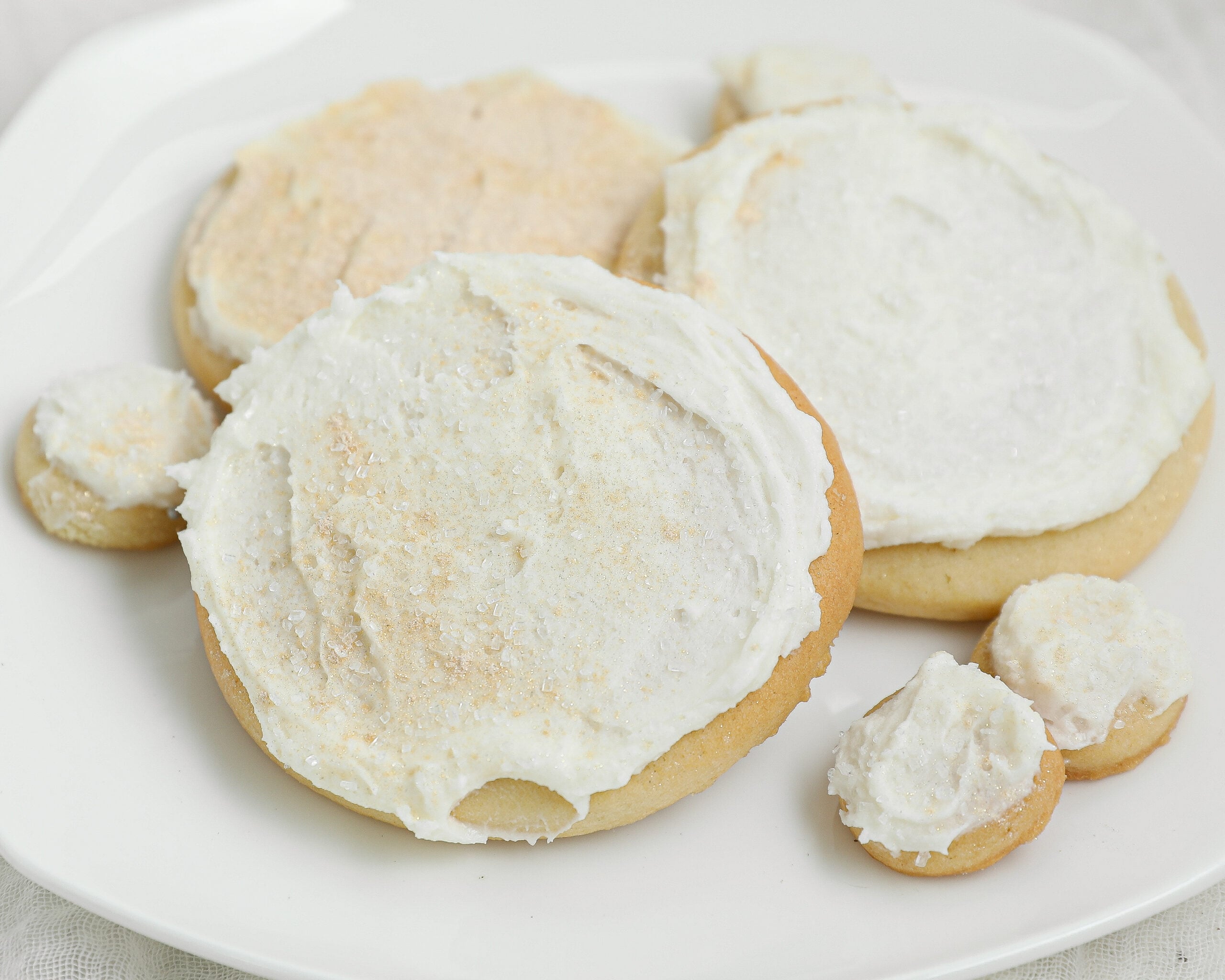
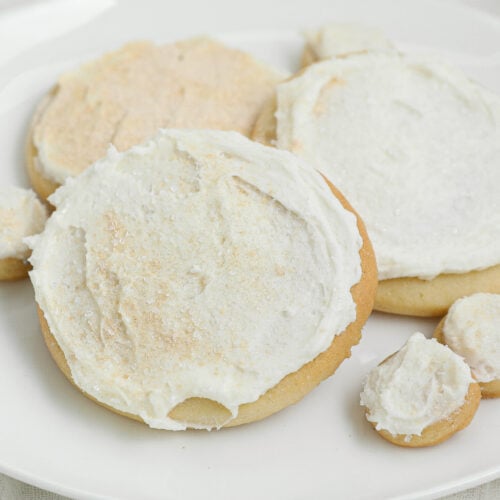
These Soft Frosted Sugar Cookies are buttery and tender with a hint of almond flavor and a sweet homemade vanilla icing. The dough is easy to roll out and cut into your favorite shapes, making these cookies perfect for Christmas, birthdays, or any special occasion. Plus, you can customize the icing with different colors and sprinkles to match whatever you’re celebrating. I’ve also included gluten-free and dairy-free options so everyone can enjoy a batch!
As an Amazon Associate I earn from qualifying purchases.
YOU CAN NEVER GO WRONG WITH A FROSTED SUGAR COOKIE!
I love a good sugar cookie, especially one that’s soft and buttery with a generous layer of icing. My favorite part of this recipe is the addition of almond extract. It gives the cookies that little extra flavor that reminds me of the sugar cookies you’d find at a bakery.

While these are great for Christmas, I love that there’s really no wrong time of year to make them. Switch up the cookie cutters, add a little food coloring to the icing, or keep things simple with white icing and sparkling sugar. Decorating them is half the fun, especially if you have kids helping in the kitchen!

Why You’ll Love These Frosted Sugar Cookies
- Soft and tender texture: Powdered sugar and butter give these cookies a delicate, tender texture without making them overly crisp.
- Delicious almond flavor: A touch of almond extract adds a subtle nutty sweetness that sets these cookies apart from traditional vanilla sugar cookies.
- Easy homemade icing: Made with just four ingredients, the vanilla icing comes together quickly and adds a sweet finishing touch.
- Perfect for decorating: Roll out the dough and use your favorite cookie cutters to create shapes for holidays, birthdays, and special occasions.
- Quick baking time: Once the dough has chilled, each batch takes just 6–9 minutes to bake.
- Make-ahead friendly: Prepare the cookie dough in advance and refrigerate it until you’re ready to roll, cut, and bake.
- Easy to customize: Add food coloring, sparkling sugar, or festive sprinkles to make these cookies your own.
- Gluten-free and dairy-free options: With a few simple ingredient substitutions, you can easily adapt this recipe to accommodate different dietary needs.
Ingredients Needed to Make Frosted Sugar Cookies
Make sure you scroll down to the recipe card for the full list of ingredients and measurements.
For the Sugar Cookies
- Unsalted Butter: Provides a rich, buttery flavor and tender texture. Allow the butter to come to room temperature so it creams easily with the powdered sugar.
- Powdered Sugar: Unlike granulated sugar, powdered sugar helps create a softer, more delicate cookie with a fine crumb.
- Egg: Binds the ingredients together while adding moisture and structure to the cookie dough.
- Almond Extract: Adds a subtle almond flavor that complements the buttery cookies and sweet vanilla icing.
- Baking Soda: Helps the cookies rise and contributes to their tender texture.
- Baking Powder: Provides additional lift, keeping the cookies from becoming too dense.
- Cream of Tartar: Works with the baking soda and helps create a soft, tender sugar cookie.
- All-Purpose Flour: Provides structure and makes the dough easy to roll out and cut into shapes. Alternatively, use a 1:1 gluten-free baking flour that contains xanthan gum.
For the Sugar Cookie Icing
- Vanilla Extract: Adds a classic vanilla flavor that pairs beautifully with the almond-flavored cookies.
- Powdered Sugar: Creates the sweet, smooth base of the icing.
- Milk: Helps thin the icing to the desired consistency. Add it gradually to prevent the icing from becoming too runny. Regular milk or oat milk works well.
- Light Corn Syrup: Gives the icing a glossy finish and helps it set, making the cookies easier to store and transport.
Substitutions and Variations
- Gluten-Free: Replace the all-purpose flour with an equal amount of 1:1 gluten-free baking flour containing xanthan gum.
- Dairy-Free: Substitute dairy-free baking butter and use oat milk in the icing.
- Almond Extract: If you prefer a classic vanilla sugar cookie, substitute vanilla extract for the almond extract.
- Decorations: Customize the cookies with gel food coloring, sanding sugar, or your favorite sprinkles to match the occasion.
Oven Temperatures
Oven temperatures can vary significantly from one oven to another. To achieve consistent results, it’s crucial to know the exact temperature inside your oven. The safest and most accurate way to determine this is by using an oven thermometer. This simple tool can help you avoid underbaking or overbaking your treats.
How to Make Frosted Sugar Cookies
Make the Sugar Cookies
- Cream the butter and sugar: Add the room-temperature butter and powdered sugar to a large mixing bowl. Beat for 3 minutes until light and fluffy, scraping down the sides of the bowl as needed.
- Add the wet ingredients: Mix in the egg and almond extract until fully incorporated.
- Add the dry ingredients: Add the flour, baking soda, baking powder, and cream of tartar. Mix until just combined and a soft dough forms. Avoid overmixing, as this can affect the texture of the cookies.
- Chill the dough: Wrap the cookie dough tightly in plastic wrap and refrigerate for at least 2 hours. Chilling helps firm up the butter, making the dough easier to roll out while reducing spreading during baking.
- Prepare the oven: Preheat the oven to 375°F and line a baking sheet with parchment paper.
- Roll out the dough: Lightly flour your work surface and rolling pin. Roll the chilled dough to ¼-inch thickness. If the dough is too firm to roll, allow it to sit at room temperature for a few minutes.
- Cut out the cookies: Use your favorite cookie cutters to cut out shapes and transfer them to the prepared baking sheet, leaving space between each cookie. Gather and reroll the remaining dough as needed.
- Bake: Bake for 6–9 minutes or until the edges are lightly golden. The centers should still look pale to help maintain their soft texture.
- Cool completely: Allow the cookies to rest briefly on the baking sheet before transferring them to a wire cooling rack. Make sure they cool completely before decorating.
Make the Sugar Cookie Icing
- Combine the ingredients: Add the powdered sugar, vanilla extract, light corn syrup, and milk to a mixing bowl. Start with the smaller amount of milk and mix until smooth.
- Adjust the consistency: Gradually add the remaining milk as needed. The icing should be thick enough to hold its shape when piped but smooth enough to spread evenly across the cookies.
- Decorate the cookies: Transfer the icing to a piping bag and decorate the cooled sugar cookies. If desired, add gel food coloring to the icing or finish the cookies with sprinkles or sanding sugar before the icing sets.
- Allow the icing to set: Let the decorated cookies rest at room temperature until the icing has completely set before stacking, storing, or serving.
Tips for Making the Best Frosted Sugar Cookies
- Use softened butter, not melted butter: Room-temperature butter should be soft enough to leave an indentation when pressed but still hold its shape. Butter that’s too warm can cause the cookies to spread excessively.
- Measure the flour correctly: Spoon the flour into your measuring cup and level it off with a straight edge. Packing too much flour into the measuring cup can result in dry, crumbly cookies.
- Don’t skip the chilling time: Refrigerate the dough for at least 2 hours before rolling it out. Chilling makes the dough easier to handle and helps the cookies retain their shape during baking.
- Roll the dough evenly: Aim for a consistent ¼-inch thickness so the cookies bake evenly. Rolling the dough too thin can result in crisp cookies rather than soft, tender ones.
- Use flour sparingly when rolling: Lightly dust your work surface and rolling pin to prevent sticking. However, adding too much extra flour can make the cookies dry.
- Keep the dough cool: If the dough becomes too soft or sticky while cutting out shapes, return it to the refrigerator for 10–15 minutes before continuing.
- Avoid overbaking: Remove the cookies from the oven when the edges are lightly golden. The cookies will continue to firm up slightly as they cool.
- Cool the baking sheets between batches: Placing cookie dough on a hot baking sheet can cause the butter to melt prematurely, resulting in uneven spreading.
- Cool completely before decorating: Even slightly warm cookies can cause the icing to become runny and slide off the edges.
- Adjust the icing consistency gradually: Start with the smaller amount of milk, then add more as needed. For outlining and detailed decorating, use a thicker icing. For covering the entire cookie, use a slightly thinner consistency.
- Use gel food coloring: Gel coloring provides vibrant colors without adding much extra liquid, which helps maintain the consistency of the icing.
- Add sprinkles before the icing sets: Decorate with sanding sugar or sprinkles while the icing is still wet so they stick securely.
- Let the icing dry completely: Allow several hours for the icing to set before stacking or packaging the cookies. Depending on the thickness of the icing and humidity in your kitchen, this may take overnight.
Storage and Freezing
- Room Temperature: Store frosted sugar cookies in an airtight container at room temperature for up to 1 week. Allow the icing to set completely before storing, and place parchment paper between layers to protect the decorations.
- Refrigerating the Dough: Prepare the cookie dough up to 2 days in advance. Wrap it tightly in plastic wrap and refrigerate until you’re ready to roll, cut, and bake.
- Freezing Cookie Dough: Wrap the dough tightly in plastic wrap and place it in a freezer-safe bag or container. Freeze for up to 3 months. Thaw overnight in the refrigerator before rolling and cutting out shapes.
- Freezing Unfrosted Cookies: Allow the baked cookies to cool completely before transferring them to a freezer-safe container. Separate the layers with parchment paper and freeze for up to 3 months. Thaw at room temperature before decorating.
- Freezing Frosted Cookies: Once the icing has completely hardened, carefully layer the cookies between sheets of parchment paper in a freezer-safe container. Freeze for up to 2 months. However, for the best appearance and texture, I recommend freezing the cookies unfrosted and decorating them after thawing.
- Make Ahead: Bake the cookies 1–2 days before your gathering and decorate them the day before serving. This gives the icing plenty of time to set, especially if you plan to package or transport the cookies.
Soft Frosted Sugar Cookies
Equipment
- cookie cutters
Ingredients
Sugar Cookies
- 1 cup unsalted butter room temperature
- 1⅓ cups powdered sugar
- 1 egg
- 1½ tsp almond extract
- 1 tsp baking soda
- ½ tsp baking powder
- 1 tsp cream of tartar
- 2½ cups all-purpose flour (or 1:1 gluten-free flour)
Sugar Cookie Icing
- ½ tsp vanilla extract
- 3 cups powdered sugar
- 3 –4 tbsp milk or oat milk
- 2 tbsp light corn syrup
Instructions
Sugar Cookies
- Add the room-temperature butter and powdered sugar to a large mixing bowl. Beat for 3 minutes until light and fluffy.
- Add the egg and almond extract, mixing until fully incorporated.
- Add the flour, baking soda, baking powder, and cream of tartar. Mix until just combined and a soft dough forms.
- Wrap the dough tightly in plastic wrap and refrigerate for at least 2 hours.
- Preheat the oven to 375°F. Line a baking sheet with parchment paper and set aside.
- Lightly flour your work surface and rolling pin. Roll the chilled dough to ¼-inch thickness.
- Use your favorite cookie cutters to cut out shapes and transfer them to the prepared baking sheet. Gather and reroll the remaining dough as needed.
- Bake for 6–9 minutes or until the edges are lightly golden.
- Allow the cookies to cool briefly on the baking sheet before transferring them to a wire cooling rack. Cool completely before decorating.
Sugar Cookie Icing
- Add the powdered sugar, vanilla extract, light corn syrup, and 3 tablespoons of milk to a mixing bowl.
- Mix until smooth and creamy. Gradually add the remaining milk as needed to achieve the desired piping consistency.
- If desired, divide the icing into separate bowls and add gel food coloring.
- Transfer the icing to a piping bag and decorate the completely cooled cookies.
- Add sprinkles or sanding sugar, if desired, before the icing sets.
- Allow the icing to set completely before stacking or packaging the cookies.
Notes
- Gluten-Free Option: Substitute an equal amount of 1:1 gluten-free baking flour containing xanthan gum for the all-purpose flour.
- Dairy-Free Option: Use dairy-free baking butter and oat milk.
- Chilling: Do not skip the 2-hour chilling time. If the dough becomes too soft while rolling and cutting, return it to the refrigerator for 10–15 minutes.
- Baking: For soft cookies, avoid overbaking. Remove them from the oven when the edges are lightly golden.
- Flavor Variation: Substitute vanilla extract for the almond extract if you prefer a classic vanilla sugar cookie.
- Icing Consistency: Use less milk for outlining and detailed decorations or slightly more milk for covering the entire cookie.
- Alternative Frostings: Try my Homemade Buttercream Frosting or Cream Cheese Frosting if you prefer a thicker, creamier frosting.
- Storage: Store cookies with the original icing in an airtight container at room temperature for up to 1 week. Refrigerate cookies decorated with cream cheese frosting.
- Freezing: Freeze cookie dough or unfrosted baked cookies for up to 3 months.
Nutrition
Frequently Asked Questions
Sugar cookies can spread if the butter is too warm, the dough hasn’t chilled long enough, or the baking sheet is still hot from a previous batch. Refrigerate the dough for at least 2 hours and use a completely cooled baking sheet for each batch.
The key is to avoid overbaking. Roll the dough to ¼-inch thickness and remove the cookies from the oven when the edges are lightly golden. Once cooled, store them in an airtight container to help maintain their soft texture.
Yes, chilling is an important step in this recipe. It allows the butter to firm up, making the dough easier to roll and cut while helping the cookies retain their shape during baking.
Too much flour can cause the dough to become dry and crumbly. To prevent this, use the spoon-and-level method when measuring your flour. Additionally, if the refrigerated dough is too firm, let it sit at room temperature for a few minutes before rolling.
Absolutely! Substitute an equal amount of vanilla extract for the almond extract if you prefer a more traditional sugar cookie flavor.
Yes! Replace the all-purpose flour with an equal amount of 1:1 gluten-free baking flour containing xanthan gum. This allows you to make the cookies without adjusting the remaining ingredient measurements.
Yes, substitute dairy-free baking butter for the unsalted butter and use oat milk in the icing. I recommend using dairy-free butter sticks rather than a spreadable butter alternative.
Traditional royal icing typically contains egg whites or meringue powder. However, this easy sugar cookie icing uses powdered sugar, milk, vanilla extract, and light corn syrup to create a smooth, glossy finish without either ingredient.
Yes! Light corn syrup gives the icing its glossy finish and helps it set. However, if you prefer a thicker, creamier frosting without corn syrup, try my Homemade Buttercream Frosting or Cream Cheese Frosting. Both are delicious alternatives that work well for spreading or piping onto cooled sugar cookies. Keep in mind that these frostings remain softer than traditional sugar cookie icing, so the decorated cookies won’t stack as easily.
Adding too much milk can make the icing difficult to pipe. Start with the smaller amount of milk listed in the recipe and gradually add more as needed. If the icing becomes too thin, mix in a little additional powdered sugar until it reaches your desired consistency.
The icing may begin to set within an hour, but it can take several hours or overnight to dry completely. The drying time depends on the thickness of the icing and the humidity in your kitchen. Allow it to set fully before stacking or packaging the cookies.
Definitely! Prepare the dough up to 2 days in advance or bake the cookies a day or two before decorating. You can also freeze the unfrosted cookies and decorate them once they have completely thawed.
Yes, you can double the ingredient measurements if you’re baking for a holiday party, cookie exchange, or large gathering. Divide the dough into smaller portions before chilling to make rolling and cutting easier.